When water damage affects a home or business, uncertainty is often one of the most stressful parts of the situation. Many property owners in Indianapolis are unsure what happens after they make the call for help or how the restoration process actually works. Understanding what to expect during water damage restoration can make the experience feel more manageable and help set clear expectations from the start.
Water damage restoration is a structured process designed to stop further damage, remove moisture, and return the property to a safe and usable condition. Each step plays an important role in preventing long term issues and ensuring the restoration is done correctly.
Initial Assessment and Damage Evaluation
The restoration process begins with a detailed assessment of the property. This step focuses on identifying the source of the water, the type of water involved, and how far moisture has spread. In Indianapolis properties, water damage can come from plumbing failures, storms, basement flooding, or appliance leaks, each requiring a slightly different approach.
During the evaluation, affected areas are identified, including places where moisture may be hidden behind walls or under flooring. Moisture detection tools are used to measure levels inside materials so no areas are overlooked. This assessment helps determine the scope of work and guides the restoration plan moving forward.
Safety concerns are also addressed during this stage. Electrical hazards, weakened materials, and contaminated water conditions are evaluated to ensure the property can be worked in safely.
Water Removal and Extraction
Once the assessment is complete, water removal begins. Standing water is extracted using professional grade equipment designed to handle large volumes efficiently. Removing water quickly is critical to limiting further damage and preventing moisture from spreading to unaffected areas.
In homes and businesses throughout Indianapolis, water can travel quickly through porous materials. Prompt extraction helps protect walls, flooring, and structural components from prolonged exposure. The faster water is removed, the better the chances of preserving materials and reducing repair needs.
Even after visible water is gone, moisture may remain in building materials. That is why water extraction is followed by thorough drying and monitoring.
Drying and Dehumidification
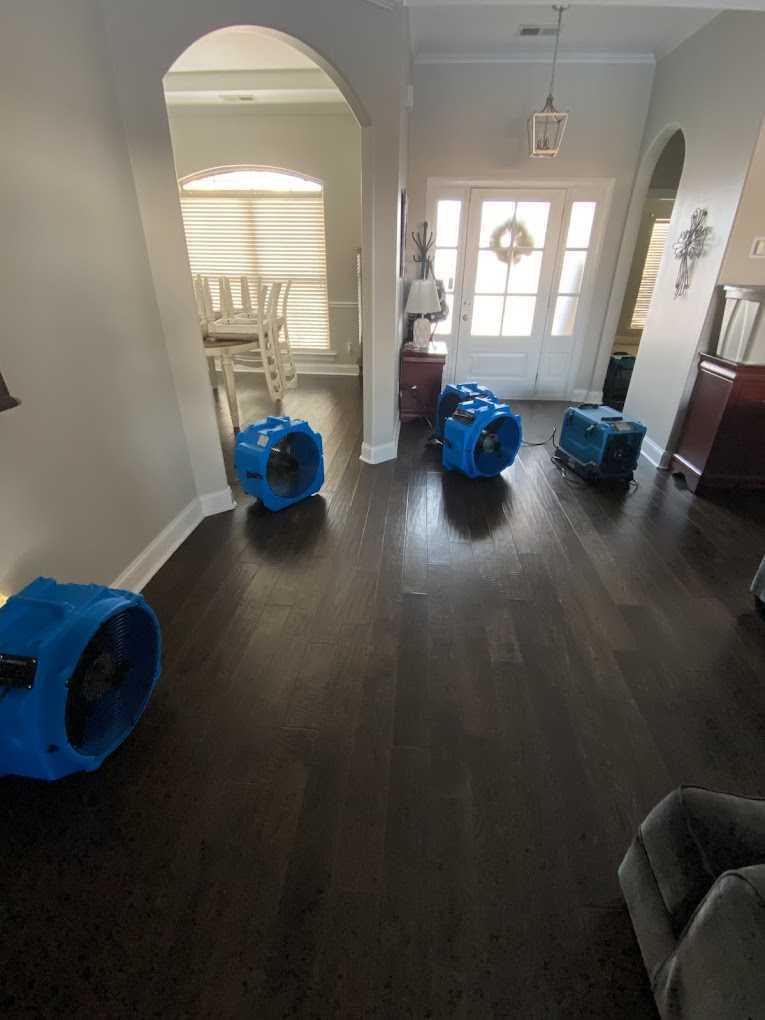
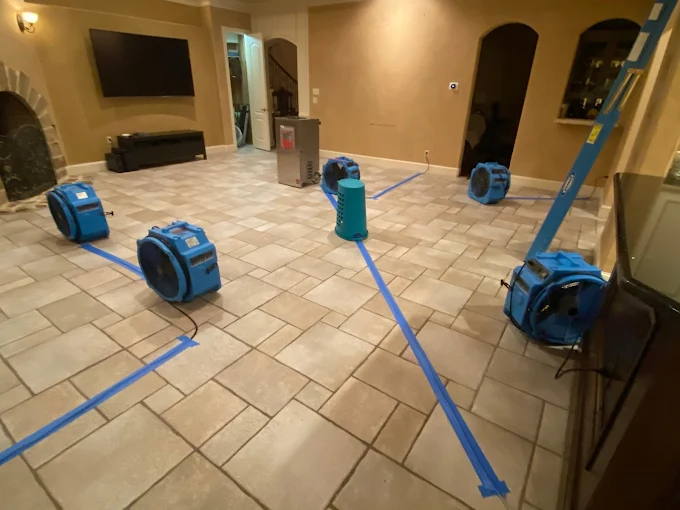
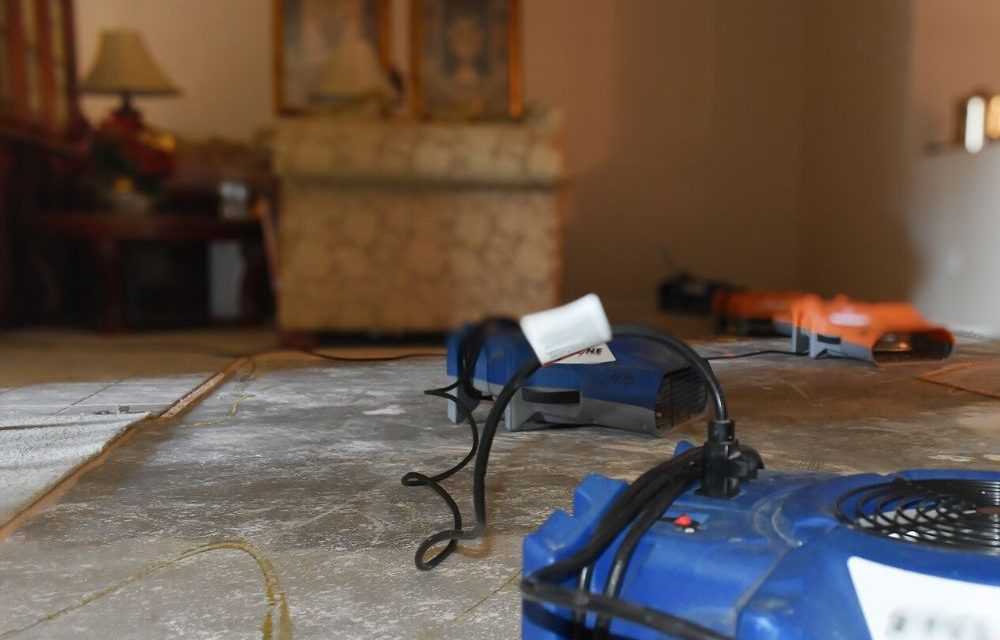
After water removal, the focus shifts to drying the property. Air movers and dehumidifiers are placed strategically to remove moisture from the air and affected materials. This controlled process helps dry walls, floors, and structural components evenly and safely.
Drying is not a simple set and forget step. Conditions inside the property are monitored regularly, and equipment is adjusted as moisture levels change. In Indianapolis, where humidity levels can vary, proper dehumidification is especially important to prevent moisture from lingering.
This phase continues until moisture readings confirm that affected materials have returned to acceptable levels. Rushing this step can lead to future problems, so careful monitoring is essential.
Cleaning and Sanitizing Affected Areas
Once drying is underway or completed, cleaning and sanitizing affected surfaces becomes a priority. Water damage can leave behind dirt, debris, and contaminants that need to be addressed to restore a clean environment.
Surfaces are cleaned using appropriate methods based on the type of water involved and the materials affected. This helps reduce the risk of odors, bacterial growth, and secondary damage. In cases where contents are affected, items may also be cleaned and restored when possible.
Cleaning is an important step in returning the property to a safe and comfortable condition for occupants.
Monitoring Progress and Preventing Secondary Damage
Throughout the restoration process, progress is monitored to ensure everything is moving in the right direction. Moisture readings are taken regularly, and drying equipment is adjusted to maintain effective conditions.
This ongoing monitoring helps prevent secondary damage such as mold growth or material deterioration. In Indianapolis properties, where moisture related issues are common, this oversight plays a key role in successful restoration.
Clear communication during this phase helps property owners understand what is happening and what to expect next.
Repairs and Restoration Completion
Once the property is fully dried and stabilized, restoration work can move toward completion. This may include repairing drywall, replacing flooring, reinstalling baseboards, or addressing other materials affected by water damage.
The goal of this phase is to return the property to a usable condition while ensuring repairs are completed properly. Depending on the extent of the damage, restoration timelines can vary, but proper drying and preparation help support quality results.
Not every water damage situation requires major reconstruction, but when repairs are needed, they are handled after moisture issues are fully resolved.
Communication Throughout the Process
Clear communication is an important part of water damage restoration. Property owners in Indianapolis benefit from understanding what is happening at each stage and knowing when the next steps will occur.
Questions about timelines, drying progress, and restoration expectations are addressed throughout the process. This transparency helps reduce stress and allows property owners to feel confident that the restoration is being handled properly.
Knowing what to expect can make a challenging situation easier to navigate.
Why a Structured Process Matters
Water damage restoration is most effective when each step is completed in the correct order. Skipping steps or rushing the process can lead to hidden moisture, mold growth, and ongoing issues that surface later.
A structured approach ensures water is removed, moisture is eliminated, and the property is stabilized before repairs are completed. This helps protect the long term condition of the property and reduces the risk of recurring problems.
For homes and businesses in Indianapolis, following a proven restoration process provides peace of mind and dependable results.
Restoring Confidence After Water Damage
Water damage can disrupt daily life and create uncertainty, but understanding the restoration process helps restore confidence. Knowing that there is a clear plan in place allows property owners to focus on recovery rather than worry.
By addressing water damage thoroughly and methodically, properties can be returned to safe and functional conditions. With the right approach, water damage does not have to lead to long term consequences.
Water damage restoration is not just about cleanup. It is about protecting the property, preventing future issues, and helping Indianapolis property owners move forward with confidence.