Water damage is one of the most common and disruptive issues property owners face in Indianapolis. From sudden plumbing failures to heavy seasonal rain, water can enter a home or business quickly and spread before it is noticed. Understanding the most common causes of water damage and knowing how to respond can make a major difference in limiting damage and avoiding long term problems.
Indianapolis properties are especially vulnerable due to weather patterns, aging infrastructure, and a mix of older and newer construction. When water damage is not addressed properly, it can lead to structural issues, mold growth, and costly repairs. Recognizing how water damage starts is the first step toward protecting your property.
Plumbing Failures and Burst Pipes
One of the leading causes of water damage in Indianapolis homes and commercial buildings is plumbing failure. Pipes can burst due to age, corrosion, freezing temperatures, or sudden pressure changes. Even a small pipe failure can release large amounts of water in a short period of time, soaking walls, flooring, and personal belongings.
Older properties throughout Indianapolis are especially at risk due to outdated plumbing materials. Galvanized pipes and aging connections can weaken over time and fail without warning. Newer buildings are not immune either since improper installation or defective components can also lead to leaks and bursts.
Early signs of plumbing issues include unexplained water stains, reduced water pressure, damp smells, and unusually high water bills. Addressing these warning signs early can help prevent a full scale water damage event.
Basement Flooding and Groundwater Intrusion
Basement flooding is another common issue for Indianapolis property owners, particularly during periods of heavy rain or snow melt. When the ground becomes saturated, groundwater can seep through foundation walls, cracks, or window wells and collect in basements.
Poor drainage systems and failing sump pumps often contribute to basement flooding. If a sump pump stops working during a storm, water can accumulate quickly and spread across the basement floor. Finished basements are especially vulnerable since drywall, insulation, and flooring materials absorb moisture easily.
Even minor basement water intrusion should not be ignored. Moisture trapped in concrete and framing can lead to mold growth and weaken the foundation over time.
Roof Leaks and Storm Related Damage
Indianapolis experiences strong storms that can damage roofing materials and allow water to enter from above. Missing shingles, damaged flashing, and clogged gutters can all create pathways for water to leak into attics and interior spaces.
Roof leaks are often difficult to detect right away. Water can travel along beams and insulation before becoming visible on ceilings or walls. By the time stains appear, significant moisture may already be present.
Routine roof inspections and proper maintenance can reduce the risk of storm related water damage. After severe weather, checking for visible damage can help catch issues before they worsen.
Appliance Failures and Internal Leaks
Household and commercial appliances are another frequent source of water damage. Washing machines, dishwashers, water heaters, and refrigerators all rely on hoses and connections that can fail over time.
A leaking water heater can release dozens of gallons of water before it is discovered. Washing machine hose failures are especially common and often occur suddenly. In businesses, ice machines and commercial appliances pose similar risks.
Replacing aging hoses and monitoring appliances for signs of leaks can help reduce the likelihood of unexpected water damage.
Sewer Backups and Drain Issues
Sewer backups are a serious and hazardous form of water damage that can affect Indianapolis properties. Heavy rainfall, clogged sewer lines, or municipal system overloads can cause wastewater to back up into homes and businesses.
This type of water damage requires specialized cleanup due to contamination risks. Sewage water can damage flooring, walls, and contents while also posing health concerns.
Slow draining sinks, gurgling sounds, and unpleasant odors may indicate developing sewer issues. Addressing these signs early can help prevent a backup.
How Water Damage Spreads Inside a Property
Water damage rarely stays confined to the area where it begins. Water travels through flooring, drywall, insulation, and structural materials quickly. What starts as a small leak can spread behind walls and under floors within hours.
Moisture that is not properly removed can remain trapped even after visible water is gone. This hidden moisture creates ideal conditions for mold growth and material deterioration.
Professional water damage restoration focuses on identifying both visible and hidden moisture to ensure the property is thoroughly dried and stabilized.
What to Do When Water Damage Occurs
When water damage occurs, quick action is critical. If it is safe to do so, stopping the water source is the first priority. Turning off the main water supply or addressing a visible leak can help limit additional damage.
Avoid using household fans or attempting to dry affected areas without proper equipment. Improper drying can leave moisture behind and make the situation worse. Standing water and wet materials should be addressed by trained professionals who can assess the full extent of the damage.
Documenting the damage with photos and avoiding disturbance of affected areas can also be helpful, especially if insurance is involved.
Why Professional Restoration Matters
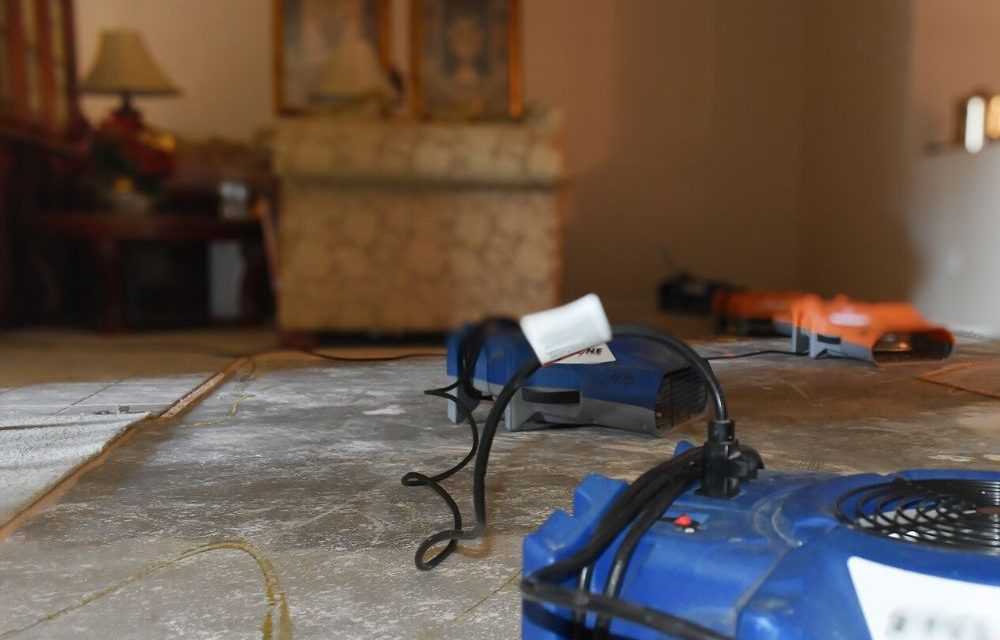
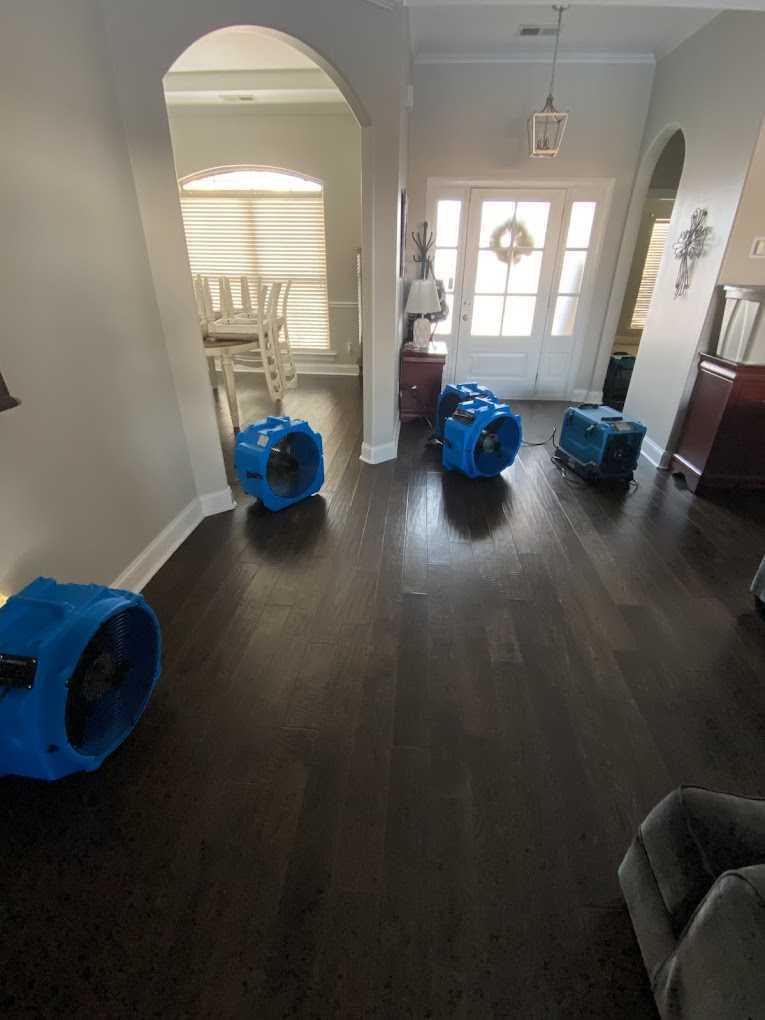
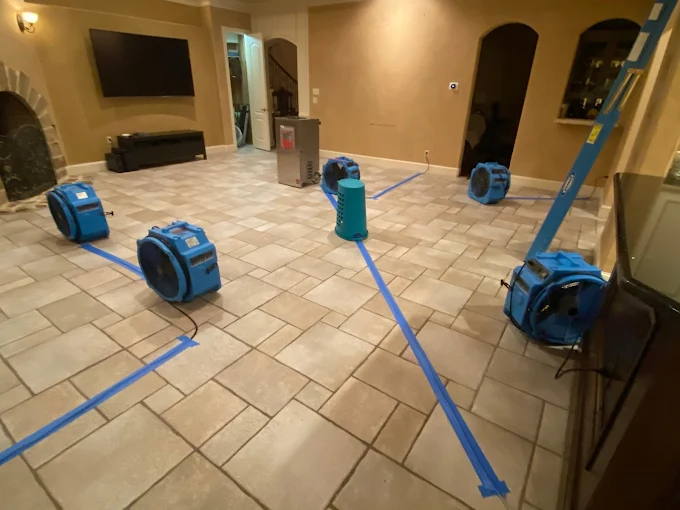
Water damage restoration is more than water removal. Proper restoration includes moisture detection, controlled drying, dehumidification, and ongoing monitoring. These steps help ensure materials are dried evenly and safely.
In Indianapolis, where humidity levels can fluctuate, professional drying is especially important. Incomplete drying increases the risk of mold growth and future structural problems.
Working with experienced restoration professionals helps ensure the job is done correctly the first time, reducing the risk of recurring issues and unnecessary repairs.
Protecting Your Indianapolis Property Long Term
Preventing water damage starts with regular maintenance and awareness. Routine inspections of plumbing, roofing, drainage systems, and appliances can help identify issues early.
Installing sump pump backups, maintaining gutters, and addressing small leaks promptly can significantly reduce risk. Being proactive can save time, money, and stress in the long run.
Water damage may be common, but with the right knowledge and response, its impact can be controlled. Understanding the causes and acting quickly when problems arise helps protect homes and businesses throughout Indianapolis from unnecessary loss.