When water damage occurs, many property owners assume that once standing water is removed, the problem is solved. In reality, water damage restoration is only effective when professional drying is completed properly. Moisture can remain hidden inside walls, floors, and structural materials long after visible water is gone. In Indianapolis, where humidity levels can fluctuate throughout the year, thorough drying is essential to prevent long term damage.
Professional drying is not just about speeding up evaporation. It is a controlled process designed to remove moisture evenly and safely from all affected materials. Without proper drying, water damage can continue to impact a property quietly, leading to mold growth, weakened structures, and costly repairs down the road.
How Moisture Spreads After Water Damage
Water moves quickly through building materials. Drywall, insulation, wood framing, subflooring, and concrete can all absorb moisture within minutes of exposure. Once absorbed, moisture does not evaporate evenly on its own. Some areas dry faster while others remain damp, creating pockets of hidden moisture.
In Indianapolis homes and businesses, moisture often travels behind walls or under flooring where it is not easily visible. Even when surfaces feel dry to the touch, moisture can still be present deep within materials. This hidden moisture is one of the most common reasons secondary damage develops after water incidents.
Professional drying focuses on identifying where moisture has spread and removing it completely, not just drying what can be seen.
The Risks of Incomplete Drying
When water damaged materials are not properly dried, several problems can develop. Mold growth is one of the most common and serious risks. Mold thrives in damp environments and can begin growing within a short period of time when moisture remains trapped.
Structural materials can also weaken when exposed to prolonged moisture. Wood can warp or rot, drywall can crumble, and flooring can separate or buckle. Over time, this can compromise the integrity of the property and increase repair costs.
Odors are another issue tied to incomplete drying. Persistent musty smells often indicate lingering moisture or microbial growth. These odors do not go away on their own and typically require professional intervention.
Why Air Drying Is Not Enough
Many property owners attempt to dry water damaged areas using household fans or opening windows. While this may help with surface moisture, it is rarely effective for deeper drying. Household fans lack the power and airflow needed to remove moisture trapped within walls and floors.
In some cases, improper air movement can actually make conditions worse by spreading moisture or increasing humidity levels inside the property. In Indianapolis, outdoor humidity can be high, which means opening windows may introduce additional moisture rather than removing it.
Professional drying equipment is designed to control airflow, temperature, and humidity to create the right conditions for effective moisture removal.
What Professional Drying Involves
Professional drying begins with moisture detection. Specialized tools are used to measure moisture levels inside materials and identify affected areas that are not visible. This allows restoration professionals to create a drying plan tailored to the specific conditions of the property.
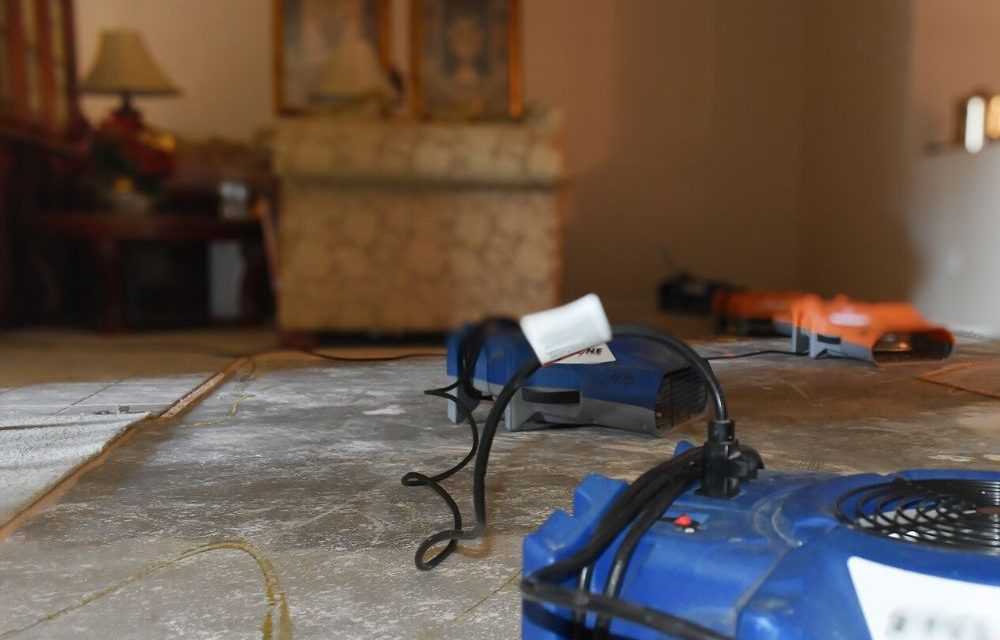
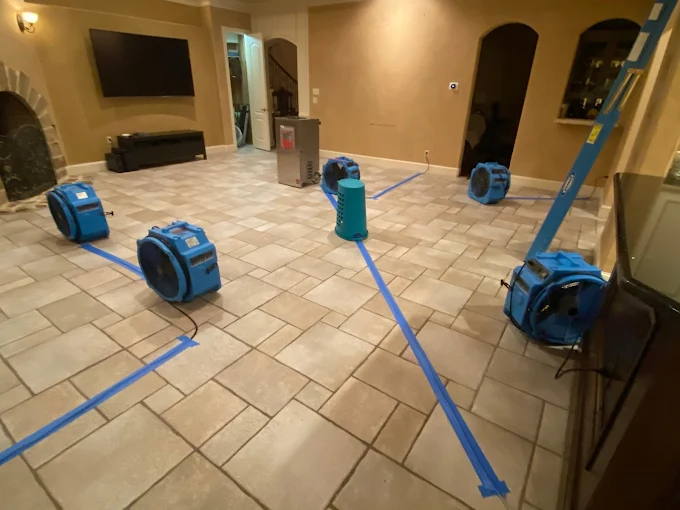
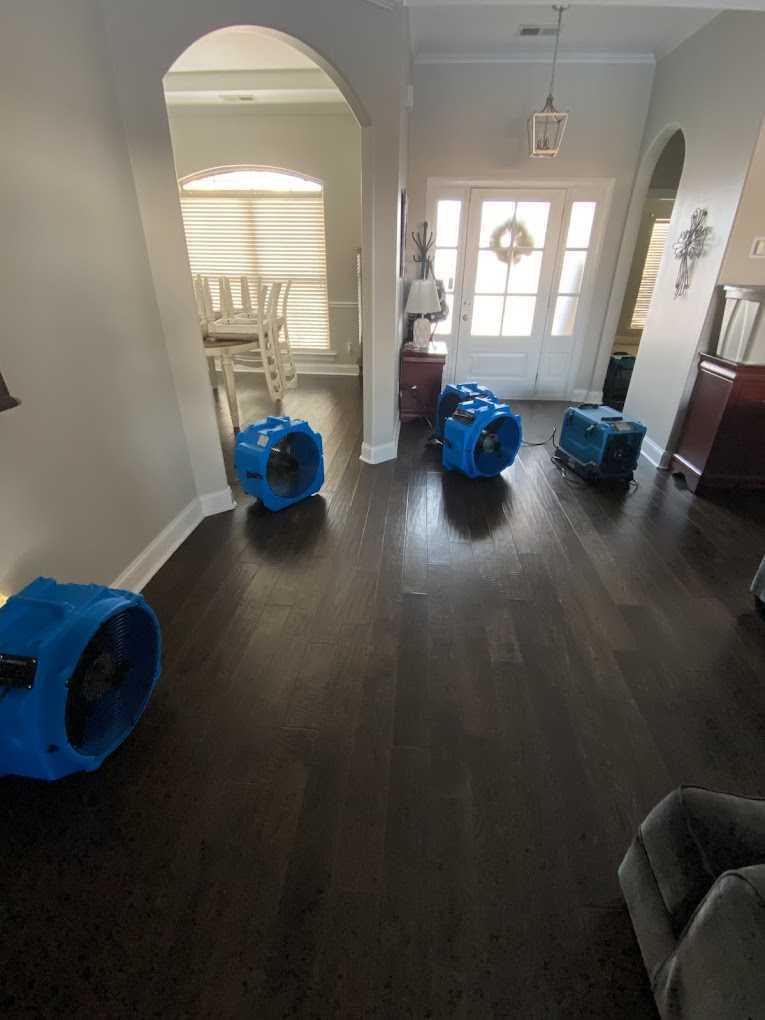
High powered air movers are placed strategically to direct airflow across wet surfaces and promote evaporation. Dehumidifiers are used to remove moisture from the air, preventing it from settling back into materials. In some cases, specialized drying equipment is used to target wall cavities or dense materials.
Throughout the process, moisture levels are monitored regularly. Equipment is adjusted as materials dry to ensure consistent progress and avoid over drying or uneven results.
The Importance of Monitoring and Adjustments
Drying is not a one time setup. Conditions inside a property change as moisture is removed. Without monitoring, drying equipment may become less effective or unnecessary equipment may remain in place longer than needed.
Professional monitoring ensures that materials are drying at the correct rate and that moisture is being removed completely. This is especially important in Indianapolis properties where seasonal humidity and temperature changes can affect drying conditions.
Adjustments during the drying process help ensure efficient restoration while minimizing disruption to the property.
How Professional Drying Helps Prevent Mold
Mold prevention is one of the primary reasons professional drying is critical after water damage. Mold requires moisture to grow, and removing that moisture thoroughly reduces the risk of development.
By drying materials quickly and evenly, professional drying limits the window of opportunity for mold spores to take hold. In properties that have already experienced moisture exposure, this step can make the difference between successful restoration and a secondary mold problem.
In Indianapolis, where moisture related issues are common, proper drying is one of the most effective ways to protect indoor environments after water damage.
Long Term Benefits of Proper Drying
Effective drying does more than solve immediate water damage. It helps preserve the lifespan of building materials, reduces the likelihood of future repairs, and supports a healthier indoor environment.
Properties that are dried correctly are less likely to experience recurring issues such as odors, mold, or material failure. This provides peace of mind for homeowners and business owners who want confidence that restoration was completed properly.
Professional drying also supports smoother restoration work, making repairs and reconstruction more reliable.
Why Professional Experience Matters
Not all water damage situations are the same. The source of the water, the materials affected, and the layout of the property all influence how drying should be handled. Experience plays a critical role in making the right decisions throughout the process.
Professionals familiar with Indianapolis properties understand common construction styles, seasonal challenges, and moisture patterns that affect drying. This knowledge helps ensure the restoration process is thorough and effective.
Proper drying is not an optional step. It is a critical part of water damage restoration that protects properties from hidden damage and long term consequences.